
Men’s Barefoot Minimalist Shoes: Ultimate Guide to Natural Movement

Men’s Cross-Training Minimalist Shoes
Versatile zero-drop training shoes designed for gym workouts, functional fitness, and everyday activities. Features ultra-thin sole and breathable mesh upper for natural foot movement and comfort.
Key Features:
- Zero-drop sole design
- Ultra-thin 4mm outsole
- Breathable mesh construction
- Wide toe box for toe splay
- Flexible rubber grip
- Lightweight 8oz design
- Quick-dry materials
- Barefoot-style fit

Men’s Trail Running Minimalist Shoes
Rugged barefoot running shoes built for trails and outdoor adventures. Combines minimal protection with durable construction to handle rough terrain while maintaining ground connection and natural gait.
Key Features:
- All-terrain rubber outsole
- Zero-drop platform
- Rock plate protection
- Quick-lace system
- Water-resistant upper
- Enhanced grip pattern
- Toe guard reinforcement
- Minimalist cushioning
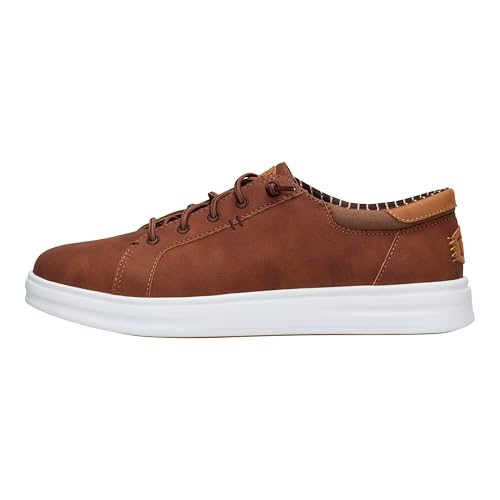
Men’s Casual Minimalist Sneakers
Everyday minimalist footwear that blends style with barefoot benefits. Perfect for work, casual outings, and daily wear while promoting natural foot function and comfort throughout the day.
Key Features:
- Premium canvas construction
- Zero-drop sole
- Wide toe box design
- Flexible outsole
- Breathable lining
- Minimalist styling
- All-day comfort
- Eco-friendly materials
Understanding Whitin Minimalist Shoes and Barefoot Technology
Whitin minimalist shoes represent a revolutionary approach to footwear that prioritizes natural foot function over traditional cushioned designs. These shoes eliminate the elevated heel found in conventional footwear, allowing your feet to move as nature intended.
The core philosophy behind barefoot minimalist shoes centers on reconnecting your feet with the ground. By reducing artificial support and cushioning, whitin minimalist shoes encourage proper foot mechanics, strengthen intrinsic foot muscles, and improve overall biomechanical efficiency.
What Makes Minimalist Shoes Different
Traditional athletic shoes often feature thick midsoles, arch support, and motion control elements that can interfere with natural foot movement. Whitin minimalist shoes eliminate these artificial interventions, focusing instead on protection while maintaining ground feel and proprioception.
The zero-drop design ensures your heel and forefoot remain at the same level, promoting a more natural stance and gait pattern. This alignment can reduce stress on joints and encourage a midfoot or forefoot strike pattern during running and walking activities.
Key Benefits of Barefoot Movement
Research suggests that barefoot-style footwear can improve balance, strengthen foot muscles, and enhance proprioceptive feedback. Users of whitin minimalist shoes often report better posture, reduced joint pain, and improved athletic performance over time.
The wide toe box design allows your toes to spread naturally, improving stability and reducing pressure points. This feature proves particularly beneficial for individuals with wider feet or those seeking relief from cramped traditional footwear.
Essential Features of Quality Whitin Minimalist Shoes
When evaluating minimalist footwear options, several critical features distinguish superior products from basic alternatives. Understanding these characteristics helps ensure you select whitin minimalist shoes that deliver optimal performance and comfort.
Zero-Drop Sole Construction
The foundation of any quality minimalist shoe lies in its zero-drop sole design. This feature maintains equal height between heel and toe, promoting natural alignment throughout your kinetic chain. Whitin minimalist shoes excel in this area, providing consistent platform geometry across their entire range.
Sole thickness typically ranges from 3-6mm in true minimalist designs, offering just enough protection from sharp objects while preserving ground feel. The flexibility of the outsole material allows natural foot flexion during the gait cycle.
Wide Toe Box Design
A spacious toe box represents perhaps the most immediately noticeable difference between minimalist and traditional footwear. This design element allows natural toe splay, which improves balance and reduces pressure on the forefoot.
Whitin minimalist shoes incorporate anatomically shaped toe boxes that accommodate the natural width of human feet. This feature becomes particularly important during dynamic activities when your feet naturally expand and contract.
Breathable Upper Construction
Modern minimalist shoes utilize advanced materials that balance protection with ventilation. Mesh panels, perforated leather, or technical fabrics ensure adequate airflow while maintaining structural integrity.
The lightweight nature of these materials contributes to the overall minimalist philosophy, reducing unnecessary weight that could interfere with natural movement patterns. Quality whitin minimalist shoes often weigh 30-50% less than comparable traditional athletic footwear.
Choosing the Right Minimalist Shoes for Your Activities
Different activities place varying demands on minimalist footwear, making it essential to match your whitin minimalist shoes to your intended use. Understanding these requirements ensures optimal performance and longevity from your investment.
Running and Athletic Performance
For running applications, prioritize whitin minimalist shoes with enhanced durability and traction. Trail running models typically feature more aggressive outsole patterns and may include minimal rock plate protection for sharp terrain.
Road running variants focus on lightweight construction and smooth outsole designs that complement pavement surfaces. The transition to minimalist running should occur gradually, allowing your feet and lower legs to adapt to the reduced cushioning and altered mechanics.
Cross-Training and Gym Activities
Gym workouts and functional fitness training benefit from shoes with enhanced lateral stability and grip. Wide platform designs provide additional support during weightlifting movements, while flexible soles accommodate dynamic exercises.
Whitin minimalist shoes designed for cross-training often incorporate reinforced high-wear areas and may feature slightly thicker soles to handle the varied demands of multiple exercise modalities.
Everyday Casual Wear
Daily wear applications require a balance of comfort, style, and functionality. Casual minimalist designs often feature more refined aesthetics while maintaining core barefoot principles.
These shoes work well for walking, standing for extended periods, and general daily activities. The wide toe box design proves particularly beneficial for office workers and others who spend significant time on their feet.
Sizing and Fit Considerations
Proper sizing becomes crucial with minimalist footwear, as these shoes should fit more closely to your natural foot shape. Many users find they need different sizes compared to traditional athletic shoes, often requiring wider widths or longer lengths to accommodate natural toe splay.
Transitioning to Whitin Minimalist Shoes Successfully
The transition from traditional footwear to whitin minimalist shoes requires patience and gradual adaptation. Rushing this process can lead to discomfort or injury, while a measured approach yields lasting benefits and improved foot health.
Starting Your Minimalist Journey
Begin by wearing your new whitin minimalist shoes for short periods during low-impact activities. Start with 15-30 minutes of walking or casual wear, gradually increasing duration as your feet adapt to the new environment.
Your foot muscles, tendons, and ligaments need time to strengthen and adjust to the increased demands of barefoot-style movement. This adaptation period typically spans 4-8 weeks for most individuals.
Progressive Training Protocol
Increase wearing time by 10-15 minutes every few days, monitoring your body’s response to the changes. Some initial muscle fatigue in your feet and calves is normal, but sharp pain or persistent discomfort indicates the need to slow your progression.
For runners, begin with short, easy runs on forgiving surfaces. Grass, dirt paths, or rubber tracks provide more cushioning than concrete during your adaptation period. Gradually introduce harder surfaces as your tolerance improves.
Common Adaptation Symptoms
Expect some calf tightness, foot muscle fatigue, and possibly mild soreness in your arches during the initial transition phase. These symptoms reflect your body’s natural adaptation to improved biomechanics and increased muscular engagement.
Maintain your regular footwear for longer activities initially, switching to whitin minimalist shoes only for designated training periods. This approach prevents overuse while allowing steady progress toward full-time minimalist wear.
Strengthening Exercises
Supplement your transition with specific foot strengthening exercises. Calf raises, toe grips, and barefoot balance work accelerate adaptation and reduce injury risk. Spending time completely barefoot at home also supports the transition process.
Care and Maintenance of Minimalist Footwear
Proper care extends the lifespan of your whitin minimalist shoes while maintaining their performance characteristics. The lightweight construction and specialized materials used in minimalist footwear require specific maintenance approaches.
Cleaning and Washing Guidelines
Most minimalist shoes can be machine washed on gentle cycles using cold water and mild detergent. Remove insoles and laces before washing, and avoid fabric softeners that can compromise material breathability.
Air drying prevents heat damage that can affect sole flexibility and upper materials. Stuff shoes with newspaper or shoe trees to maintain shape during the drying process.
Storage and Rotation Strategies
Rotating between multiple pairs of whitin minimalist shoes allows each pair to fully dry between uses and reduces overall wear patterns. Store shoes in ventilated areas to prevent moisture buildup and odor development.
Keep shoes away from direct heat sources and extreme temperatures that can degrade rubber compounds and adhesives. Proper storage maintains the flexibility and durability that make minimalist footwear effective.
Monitoring Wear Patterns
Regularly inspect your shoes for excessive wear in specific areas, which may indicate gait issues or improper fit. Unusual wear patterns can provide valuable feedback about your movement mechanics and adaptation progress.
Replace shoes when outsole wear compromises grip or when upper materials begin to fail. The thin construction of zero drop running shoes means they may require more frequent replacement than traditional athletic footwear, but their lower cost often offsets this factor.
Health Benefits and Performance Advantages
Scientific research continues to validate many claimed benefits of minimalist footwear, particularly regarding natural movement patterns and foot health. Understanding these advantages helps justify the investment in quality whitin minimalist shoes.
Improved Foot Strength and Function
Studies demonstrate that regular use of minimalist footwear leads to increased intrinsic foot muscle strength and improved arch height in many individuals. These changes contribute to better shock absorption and reduced injury risk over time.
The enhanced proprioceptive feedback from thin soles improves balance and coordination, benefits that extend beyond footwear choice to overall movement quality and athletic performance.
Biomechanical Improvements
Many users experience improved posture and reduced lower back pain when transitioning to whitin minimalist shoes. The zero-drop design encourages better spinal alignment by eliminating the artificial heel elevation found in traditional shoes.
Running gait typically shifts toward midfoot or forefoot striking patterns, which can reduce impact forces and lower injury rates in some individuals. However, this transition requires patience and proper progression to achieve safely.
Joint Health Considerations
The natural movement patterns encouraged by minimalist footwear may reduce stress on knee and hip joints by promoting more efficient movement mechanics. This benefit proves particularly valuable for individuals with joint sensitivity or those seeking to prevent overuse injuries.
Improved foot function also contributes to better shock absorption throughout the kinetic chain, potentially reducing the cumulative stress that leads to common running and walking injuries.
Long-Term Foot Health
Regular use of properly designed barefoot shoes can help prevent common foot problems like bunions, hammertoes, and plantar fasciitis. The wide toe box and flexible sole design address many causative factors behind these conditions.
Frequently Asked Questions
Making the Switch to Minimalist Footwear
Whitin minimalist shoes offer a compelling alternative to traditional footwear for those seeking to improve their foot health, biomechanics, and overall movement quality. The journey toward minimalist footwear requires patience and commitment, but the potential benefits make this transition worthwhile for many individuals.
Success with minimalist shoes depends largely on proper selection, gradual adaptation, and realistic expectations. By understanding the key features that distinguish quality minimalist footwear and following appropriate transition protocols, you can safely explore the benefits of more natural movement patterns.
The investment in whitin minimalist shoes extends beyond simple footwear replacement to encompass a broader philosophy of natural movement and foot health. Whether your goals include improved athletic performance, reduced injury risk, or simply more comfortable daily wear, minimalist footwear provides a foundation for achieving these objectives.
Remember that the transition to minimalist shoes is a personal journey that unfolds differently for each individual. Listen to your body, progress gradually, and don’t hesitate to seek guidance from healthcare professionals if you experience persistent discomfort during your adaptation period.