
Minimalist Barefoot Sock Shoes: The Ultimate Guide to Natural Movement

WHITIN Men’s Cross-Training Barefoot Sock Shoes
Premium cross-training minimalist sock shoes designed for versatile workouts and everyday wear. Features ultra-thin sole construction with maximum ground feel and flexible knit upper for breathability during intense training sessions.
Key Features:
- Ultra-thin 4mm sole
- Seamless knit construction
- Zero heel-to-toe drop
- Wide toe box design
- Machine washable material
- Lightweight 6oz per shoe
- Flexible rubber outsole

WHITIN Women’s Running Barefoot Sock Shoes
Engineered for female runners seeking natural movement patterns. These minimalist sock shoes combine anatomical foot shape design with breathable mesh construction for comfortable long-distance running and daily activities.
Key Features:
- Anatomical women’s last
- Breathable mesh upper
- 3.5mm ground connection
- Reinforced heel counter
- Quick-dry technology
- Non-slip grip pattern
- Stretch collar design
- Reflective safety elements
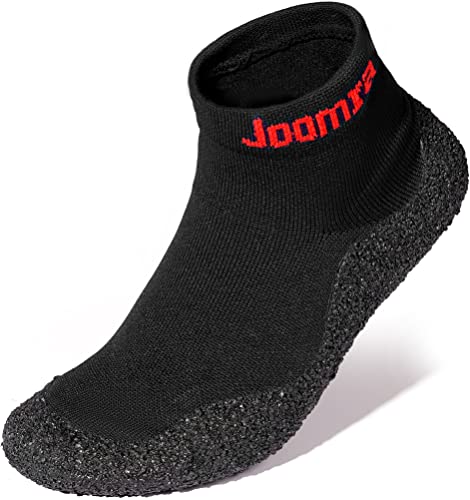
WHITIN Unisex Trail Barefoot Sock Shoes
Built for outdoor adventures and trail activities. These rugged minimalist sock shoes feature enhanced durability and traction while maintaining the natural barefoot experience essential for trail running and hiking.
Key Features:
- Aggressive tread pattern
- Puncture-resistant sole
- Reinforced toe protection
- Water-resistant coating
- Enhanced ankle support
- Multi-directional lugs
- Debris-resistant design
What Are Minimalist Barefoot Sock Shoes
Minimalist barefoot sock shoes represent a revolutionary approach to footwear that combines the comfort of socks with the protection of shoes. These innovative designs prioritize natural foot movement and ground connection while providing essential protection from environmental hazards.
Whitin minimalist barefoot sock shoes feature ultra-thin soles that allow your feet to feel the ground beneath them. This design philosophy encourages proper foot mechanics and strengthens the muscles in your feet and lower legs that traditional shoes often weaken through over-support.
Key Design Elements
The construction of these shoes emphasizes flexibility and minimal interference with natural gait patterns. Unlike traditional athletic shoes with thick midsoles and rigid structures, whitin minimalist barefoot sock shoes use lightweight materials that move with your feet.
Most models feature zero-drop soles, meaning there’s no height difference between the heel and forefoot. This design promotes a more natural walking and running stride that can reduce stress on joints and improve overall biomechanics.
Material Innovation
Modern minimalist barefoot sock shoes utilize advanced textile technologies to create uppers that feel like wearing socks. These materials provide breathability, flexibility, and comfort while maintaining durability for regular use.
The seamless construction methods used in whitin minimalist barefoot sock shoes eliminate pressure points and hot spots that can cause discomfort during extended wear. This attention to comfort makes them suitable for both athletic activities and casual daily use.
Benefits of Wearing Whitin Minimalist Barefoot Sock Shoes
The health benefits of switching to minimalist footwear extend far beyond simple comfort improvements. Research suggests that barefoot-style shoes can positively impact foot strength, balance, and overall lower body mechanics.
Strengthening your foot muscles occurs naturally when wearing whitin minimalist barefoot sock shoes. Traditional shoes with arch support and cushioning can lead to weakened foot muscles over time, but minimalist designs encourage these muscles to work as nature intended.
Improved Proprioception
Proprioception, or your body’s awareness of its position in space, improves significantly when you can feel the ground through thin soles. This enhanced sensory feedback helps prevent injuries and improves athletic performance across various activities.
Balance and stability naturally improve as your feet adapt to processing more sensory information from the ground. Many users report better coordination and reduced ankle injuries after transitioning to minimalist footwear.
Enhanced Running Efficiency
Runners who switch to whitin minimalist barefoot sock shoes often discover improved running efficiency through natural gait modifications. The lack of heel cushioning encourages a midfoot or forefoot strike pattern that many experts consider more efficient than heel striking.
The lightweight nature of these shoes reduces energy expenditure with each step. When your feet aren’t carrying extra weight from bulky soles and support structures, you can maintain speed with less effort over longer distances.
Choosing the Right Minimalist Barefoot Sock Shoes
Selecting the perfect pair requires consideration of your specific needs, activity levels, and foot characteristics. Not all minimalist shoes are created equal, and finding the right match ensures optimal comfort and performance.
Size selection for whitin minimalist barefoot sock shoes differs from traditional shoe sizing. These shoes should fit snugly like socks while providing adequate room for natural toe splay during movement.
Activity-Specific Features
Different activities demand specific features in minimalist footwear. Running shoes prioritize lightweight construction and breathability, while trail versions emphasize durability and traction on uneven surfaces.
Cross-training models balance multiple performance aspects, making them versatile choices for varied workout routines. Consider your primary activities when selecting between specialized and general-purpose whitin minimalist barefoot sock shoes.
Sole Thickness Considerations
Sole thickness ranges from 3mm to 6mm in most minimalist designs. Thinner soles provide maximum ground feel but offer less protection from sharp objects, while slightly thicker options balance sensation with safety.
Beginners often benefit from starting with moderately thick soles and gradually transitioning to thinner options as their feet strengthen and adapt. This progressive approach reduces the risk of overuse injuries during the adaptation period.
Fit and Comfort Assessment
Proper fit in minimalist footwear means your toes can spread naturally without restriction. The barefoot shoe philosophy emphasizes foot-shaped toe boxes rather than the tapered designs common in conventional footwear.
Whitin minimalist barefoot sock shoes should feel secure around the heel and midfoot while allowing natural toe movement. Any pinching, sliding, or pressure points indicate improper fit that could lead to discomfort or injury.
Transitioning to Minimalist Barefoot Sock Shoes Safely
The transition to minimalist footwear requires patience and gradual progression to avoid injury. Your feet and lower legs need time to strengthen and adapt to the new movement patterns these shoes encourage.
Start with short wearing periods of 30-60 minutes for the first week when using whitin minimalist barefoot sock shoes. Gradually increase duration as your feet adapt and strengthen without experiencing excessive soreness or fatigue.
Building Foot Strength
Foot strengthening exercises accelerate the adaptation process and reduce injury risk during transition. Simple exercises like toe curls, calf raises, and balance training prepare your feet for minimalist footwear demands.
Walking barefoot on various surfaces when possible helps develop the foot strength and sensitivity that whitin minimalist barefoot sock shoes are designed to enhance. Sand, grass, and textured surfaces provide excellent training environments.
Monitoring Your Progress
Pay attention to how your feet and legs feel during and after wearing minimalist shoes. Mild soreness is normal as muscles strengthen, but sharp pain or persistent discomfort indicates you’re progressing too quickly.
Keep a transition journal noting daily wear time, activities performed, and any discomfort experienced. This tracking helps identify patterns and ensures you’re advancing at an appropriate pace for your individual adaptation rate.
Common Transition Mistakes
The most common mistake is progressing too quickly from traditional shoes to full-time minimalist wear. This dramatic change can overwhelm your feet and lead to overuse injuries that delay the transition process.
Another frequent error is assuming all discomfort indicates problems. Some muscle fatigue and adaptation soreness is expected when transitioning to whitin minimalist barefoot sock shoes, but learning to distinguish between normal adaptation and potential injury is crucial.
Care and Maintenance of Your Minimalist Sock Shoes
Proper care extends the lifespan of your minimalist footwear while maintaining hygiene and performance characteristics. The lightweight materials and minimal construction require specific maintenance approaches different from traditional athletic shoes.
Machine washing is typically safe for whitin minimalist barefoot sock shoes, but always check manufacturer instructions for specific care requirements. Use cold water and gentle cycles to preserve the integrity of lightweight materials.
Drying and Storage
Air drying preserves the elasticity and shape of minimalist shoes better than machine drying. Remove any insoles and allow complete air circulation around all surfaces for thorough drying.
Rotating between multiple pairs allows each pair to fully dry between uses, reducing odor buildup and extending overall lifespan. This rotation strategy is particularly important for active users who wear their whitin minimalist barefoot sock shoes daily.
Addressing Wear Patterns
Monitor sole wear patterns to assess your gait and shoe rotation needs. Uneven wear might indicate biomechanical issues that could benefit from professional assessment or gait analysis.
The thin soles in minimalist shoes show wear more quickly than traditional footwear, but this also provides valuable feedback about your movement patterns and foot strike characteristics.
Replacement Timing
Replace minimalist shoes when sole wear compromises protection or when upper materials lose their structural integrity. The lightweight construction means these shoes may require more frequent replacement than heavier traditional footwear.
Signs it’s time to replace your whitin minimalist barefoot sock shoes include holes in the sole, significant upper material degradation, or loss of the snug sock-like fit that defines this footwear category.
Performance Applications and Activity Recommendations
Minimalist barefoot sock shoes excel in numerous activities where natural foot movement and ground connection enhance performance. Understanding the best applications helps maximize the benefits of this footwear style.
Running represents one of the most popular applications for whitin minimalist barefoot sock shoes. The natural gait patterns these shoes encourage can improve running efficiency and reduce certain types of injuries associated with heel striking.
Strength Training Benefits
Weightlifting and strength training benefit significantly from the stable platform and ground connection that minimalist shoes provide. The lack of cushioning creates a solid base for heavy lifts while allowing natural foot positioning.
Balance and proprioception improvements from wearing these shoes can enhance performance in functional fitness movements and compound exercises. Many athletes report better stability and control during complex movements.
Casual Daily Wear
The sock-like comfort makes whitin minimalist barefoot sock shoes excellent for daily casual wear. They pair well with various clothing styles while providing foot health benefits throughout regular activities.
Walking, light hiking, and general daily activities all benefit from the natural movement patterns these shoes promote. The lightweight design reduces fatigue during extended periods on your feet.
Activity Limitations
Certain activities may not be ideal for minimalist footwear. Heavy construction work, environments with significant puncture hazards, or sports requiring specific protective features might necessitate more substantial footwear.
Consider the specific demands of your activities when deciding whether whitin minimalist barefoot sock shoes are appropriate. While versatile, they’re not universal replacements for all footwear needs.
Frequently Asked Questions
Embracing Natural Movement with Minimalist Barefoot Sock Shoes
Minimalist barefoot sock shoes represent more than just a footwear trend—they embody a return to natural human movement patterns that can significantly benefit foot health and overall biomechanics. The journey to healthier feet begins with understanding how these innovative designs work and committing to a gradual transition process.
Whitin minimalist barefoot sock shoes offer an accessible entry point into the world of natural footwear without sacrificing comfort or style. Their sock-like construction provides the familiar comfort of your favorite socks while delivering the foot-strengthening benefits of barefoot movement. This combination makes them ideal for both athletic pursuits and daily casual wear.
The key to success with minimalist footwear lies in patience and gradual progression. Allow your feet time to strengthen and adapt to the new movement patterns these shoes encourage. Listen to your body throughout the transition process and adjust your timeline based on how your feet respond to the changes.
Investing in quality minimalist barefoot sock shoes is an investment in your long-term foot health and movement quality. As you develop stronger feet and improved proprioception, you’ll likely find that the benefits extend far beyond just your feet to encompass better balance, reduced injury risk, and enhanced athletic performance across various activities.