
Women’s Minimalist Barefoot Shoes: Ultimate Guide to Natural Movement

Cross-Training Minimalist Shoe
Versatile barefoot shoe designed for gym workouts, running, and daily activities. Features ultra-thin sole for maximum ground connection and natural movement patterns.
Key Features:
- Zero-drop heel design
- 4mm rubber sole
- Wide toe box
- Breathable mesh upper
- Flexible construction
- Non-slip outsole
- Lightweight build
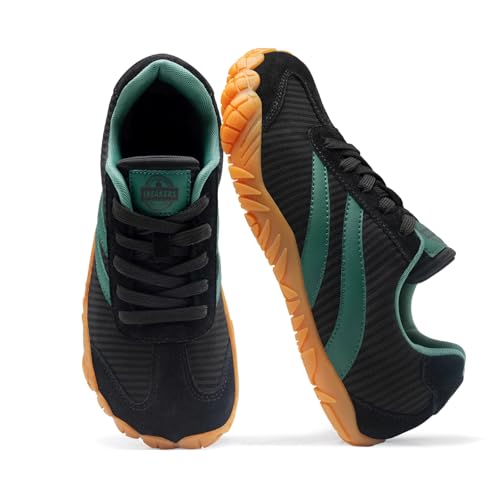
Trail Running Barefoot Shoe
Rugged minimalist shoe built for outdoor adventures and trail running. Combines barefoot feel with enhanced protection for varied terrain and natural surfaces.
Key Features:
- Durable rubber outsole
- Protective toe guard
- Quick-dry materials
- Zero-drop platform
- Flexible sole design
- Secure lacing system
- Trail-ready grip

Casual Lifestyle Minimalist Shoe
Everyday barefoot shoe perfect for walking, casual wear, and daily activities. Blends minimalist design with modern style for versatile all-day comfort.
Key Features:
- Sleek modern design
- Soft fabric lining
- Thin flexible sole
- Wide toe box
- Slip-resistant bottom
- Easy slip-on style
- All-day comfort

Water-Resistant Minimalist Shoe
Weather-ready barefoot shoe featuring water-resistant materials and enhanced durability. Perfect for outdoor activities and unpredictable weather conditions while maintaining natural foot movement.
Key Features:
- Water-resistant upper
- Quick-drying materials
- Non-slip rubber sole
- Zero-drop design
- Breathable construction
- Reinforced stitching
- All-weather traction
Understanding Women’s Minimalist Barefoot Shoes
Women’s minimalist barefoot shoes represent a revolutionary approach to footwear that prioritizes natural foot movement and optimal foot health. These shoes are designed to mimic the experience of walking barefoot while providing essential protection from rough surfaces and environmental hazards.
Whitin women’s minimalist barefoot shoes have gained significant popularity among women seeking healthier alternatives to traditional footwear. The core philosophy behind these shoes focuses on allowing your feet to function as nature intended, without the restrictions imposed by conventional shoe designs.
Key Design Principles
The foundation of whitin women’s minimalist barefoot shoes lies in several critical design elements. Zero-drop construction ensures your heel and forefoot remain at the same level, promoting natural posture and gait patterns that reduce stress on joints and muscles.
Wide toe boxes represent another essential feature that sets these shoes apart from traditional options. This design allows your toes to spread naturally, improving balance and stability while reducing pressure points that can lead to common foot problems like bunions and hammertoes.
Thin, flexible soles characterize quality minimalist footwear by providing ground feedback that helps strengthen foot muscles and improve proprioception. This enhanced sensory connection with the ground leads to better balance and more efficient movement patterns during daily activities.
Health Benefits of Minimalist Barefoot Shoes for Women
Transitioning to whitin women’s minimalist barefoot shoes can provide numerous health benefits that extend far beyond simple comfort. These advantages stem from the shoe’s ability to restore natural foot function and promote optimal biomechanics during movement.
Improved Foot Strength and Flexibility
Regular wear of minimalist footwear gradually strengthens the intrinsic muscles of your feet, which often become weakened by years of wearing supportive shoes. This increased strength translates to better arch support generated by your own muscles rather than artificial shoe structures.
Enhanced flexibility develops as your feet adapt to the increased range of motion allowed by flexible soles. Women who switch to whitin women’s minimalist barefoot shoes often report improved ankle mobility and reduced stiffness after extended periods of walking or standing.
Better Posture and Alignment
The zero-drop design characteristic of quality minimalist shoes promotes natural spinal alignment by preventing the forward tilt that occurs with elevated heels. This improved posture can reduce back pain and tension throughout the kinetic chain.
Natural gait patterns emerge as your body adapts to the ground feedback provided by thin soles. Many women experience reduced knee and hip discomfort as their movement patterns become more efficient and biomechanically sound.
Enhanced Balance and Proprioception
The thin soles found in whitin women’s minimalist barefoot shoes dramatically improve your connection to the ground beneath your feet. This enhanced sensory feedback strengthens proprioceptive awareness, leading to better balance and reduced fall risk during daily activities.
Choosing the Right Minimalist Barefoot Shoes
Selecting the perfect pair of whitin women’s minimalist barefoot shoes requires careful consideration of your specific needs, activity levels, and foot characteristics. Understanding these factors ensures you’ll find shoes that provide optimal comfort and performance.
Assessing Your Foot Type
Foot width plays a crucial role in minimalist shoe selection, as these shoes should accommodate natural toe spread without constriction. Many women discover they need wider sizes than their traditional shoes when switching to barefoot shoes with wide toe boxes that allow proper foot function.
Arch height considerations become less critical with minimalist footwear since these shoes encourage your natural arch muscles to provide support. However, understanding your foot shape helps you select models with appropriate toe box dimensions and overall fit characteristics.
Activity-Specific Considerations
Daily wear requirements should guide your choice between different styles of whitin women’s minimalist barefoot shoes. Casual models work well for office environments and light walking, while more robust designs suit active lifestyles and outdoor adventures.
Exercise and fitness activities may demand specific features like enhanced grip patterns for gym workouts or protective elements for trail running. Consider your primary activities when evaluating sole thickness and upper material durability.
Transition Timeline Planning
Gradual adaptation represents the most successful approach to adopting minimalist footwear. Start with short wearing periods and gradually increase duration as your feet adapt to the reduced cushioning and support provided by whitin women’s minimalist barefoot shoes.
Muscle conditioning occurs naturally during this transition period, but rushing the process can lead to discomfort or potential injury. Plan for several weeks to months of gradual adaptation depending on your starting fitness level and previous footwear habits.
Features That Matter in Quality Minimalist Shoes
Understanding the essential features that define excellent whitin women’s minimalist barefoot shoes helps you make informed purchasing decisions and avoid inferior products that fail to deliver promised benefits.
Sole Construction and Materials
Sole thickness directly impacts ground feedback and protection levels in minimalist footwear. Premium models typically feature soles between 3-6mm thick, providing adequate protection while maintaining excellent sensory connection to walking surfaces.
Rubber composition affects both durability and flexibility characteristics of the outsole. High-quality whitin women’s minimalist barefoot shoes utilize rubber compounds that remain pliable across temperature ranges while offering excellent wear resistance for extended use.
Upper Material Quality
Breathability becomes particularly important in minimalist shoes since many women wear them for extended periods during various activities. Look for uppers featuring mesh panels or moisture-wicking materials that prevent overheating and excessive moisture buildup.
Durability considerations include reinforced high-wear areas and quality stitching that withstands the increased foot movement typical of minimalist shoe wear. Premium whitin women’s minimalist barefoot shoes incorporate these reinforcements without adding unnecessary bulk or stiffness.
Fit and Comfort Elements
Minimal padding characterizes authentic barefoot shoes, but strategic cushioning in key areas can enhance comfort without compromising ground feedback. Look for thin, responsive padding that protects without deadening sensation.
Secure fit systems ensure your feet remain stable within the shoe during dynamic movements. Quality lacing systems or alternative closure methods should provide adjustability while maintaining the shoe’s minimalist profile and flexibility characteristics.
Transitioning to Minimalist Barefoot Footwear
Successfully adapting to whitin women’s minimalist barefoot shoes requires patience and a structured approach that allows your feet and legs to gradually adjust to this new style of footwear.
Week-by-Week Transition Guide
Week one should involve wearing your new minimalist shoes for just 1-2 hours daily during low-impact activities like casual walking or light household tasks. This initial period allows your feet to begin adapting to the reduced cushioning and support.
Weeks two through four can gradually increase wearing time as comfort permits, extending to 4-6 hours daily while monitoring for any discomfort or soreness. During this phase, your foot muscles begin strengthening and adapting to the demands of whitin women’s minimalist barefoot shoes.
Managing Common Transition Symptoms
Muscle soreness in your feet and calves represents a normal part of the strengthening process as previously dormant muscles begin working more actively. Gentle stretching and massage can help alleviate discomfort during this adaptation period.
Temporary fatigue may occur as your body adjusts to new movement patterns and increased muscle activation. This typically resolves within 2-4 weeks as your strength and endurance improve with consistent wear of whitin women’s minimalist barefoot shoes.
Accelerating Adaptation
Foot strengthening exercises can complement your transition by targeting specific muscle groups that support natural foot function. Simple exercises like toe curls, calf raises, and balance activities enhance the benefits of minimalist footwear.
Surface variation during your transition helps develop the full range of benefits offered by whitin women’s minimalist barefoot shoes. Practice walking on different textures like grass, sand, or textured surfaces to improve proprioception and foot strength.
Caring for Your Minimalist Barefoot Shoes
Proper maintenance extends the lifespan of your whitin women’s minimalist barefoot shoes while ensuring they continue providing optimal performance and comfort throughout their useful life.
Daily Maintenance Routines
Immediate post-wear care involves removing shoes promptly after activities to allow proper air circulation and moisture evaporation. This simple practice prevents odor development and material degradation that can shorten shoe lifespan.
Loose debris removal should occur after each wearing session, particularly if you’ve worn your whitin women’s minimalist barefoot shoes outdoors or in dusty environments. Quick cleaning prevents particles from embedding in materials or affecting sole flexibility.
Deep Cleaning Procedures
Hand washing represents the safest cleaning method for most minimalist shoes, using mild soap and cool water to preserve material integrity. Avoid harsh chemicals or hot water that might damage the flexible materials used in quality barefoot footwear.
Air drying at room temperature maintains the shape and flexibility of your whitin women’s minimalist barefoot shoes. Never use direct heat sources like radiators or hair dryers, as excessive heat can cause materials to shrink, crack, or lose their flexible properties.
Storage and Longevity Tips
Proper storage in well-ventilated areas prevents moisture buildup and extends shoe life significantly. Consider using cedar shoe trees or stuffing shoes with newspaper to maintain shape during extended storage periods.
Rotation between multiple pairs allows each set of whitin women’s minimalist barefoot shoes adequate recovery time between wearings. This practice particularly benefits active users who wear their shoes daily for various activities and exercise routines.
Frequently Asked Questions
Embracing Natural Movement with Minimalist Barefoot Shoes
Transitioning to whitin women’s minimalist barefoot shoes represents a significant step toward improved foot health and natural movement patterns. These innovative shoes offer women the opportunity to reconnect with their body’s natural biomechanics while maintaining protection and style in their daily activities.
The journey to minimalist footwear requires patience and commitment, but the long-term benefits make this transition worthwhile for most women. From strengthened foot muscles to improved posture and enhanced balance, whitin women’s minimalist barefoot shoes provide advantages that extend far beyond simple comfort or style considerations.
Success with minimalist footwear depends largely on proper selection and gradual adaptation to this new style of shoe. Taking time to understand your specific needs and following a structured transition plan ensures you’ll experience the full range of benefits these shoes can provide while avoiding common pitfalls that discourage some new users.
Investing in quality whitin women’s minimalist barefoot shoes represents an investment in your long-term foot health and overall well-being. As more women discover the advantages of natural movement and barefoot-style footwear, these shoes continue evolving to meet diverse needs while maintaining their core principles of minimal interference with natural foot function.