
Zero Drop Minimalist Running Shoes: Complete Guide to Natural Foot Strike

Trail Runner Zero Drop
Lightweight minimalist trail running shoe designed for natural foot movement and enhanced ground feel. Features durable construction for rugged terrain while maintaining flexibility and breathability for long-distance comfort.
Key Features:
- Zero drop heel-to-toe design
- Flexible rubber outsole
- Breathable mesh upper
- Wide toe box
- Lightweight construction
- Trail-ready traction
- Removable insole
- Quick-dry materials
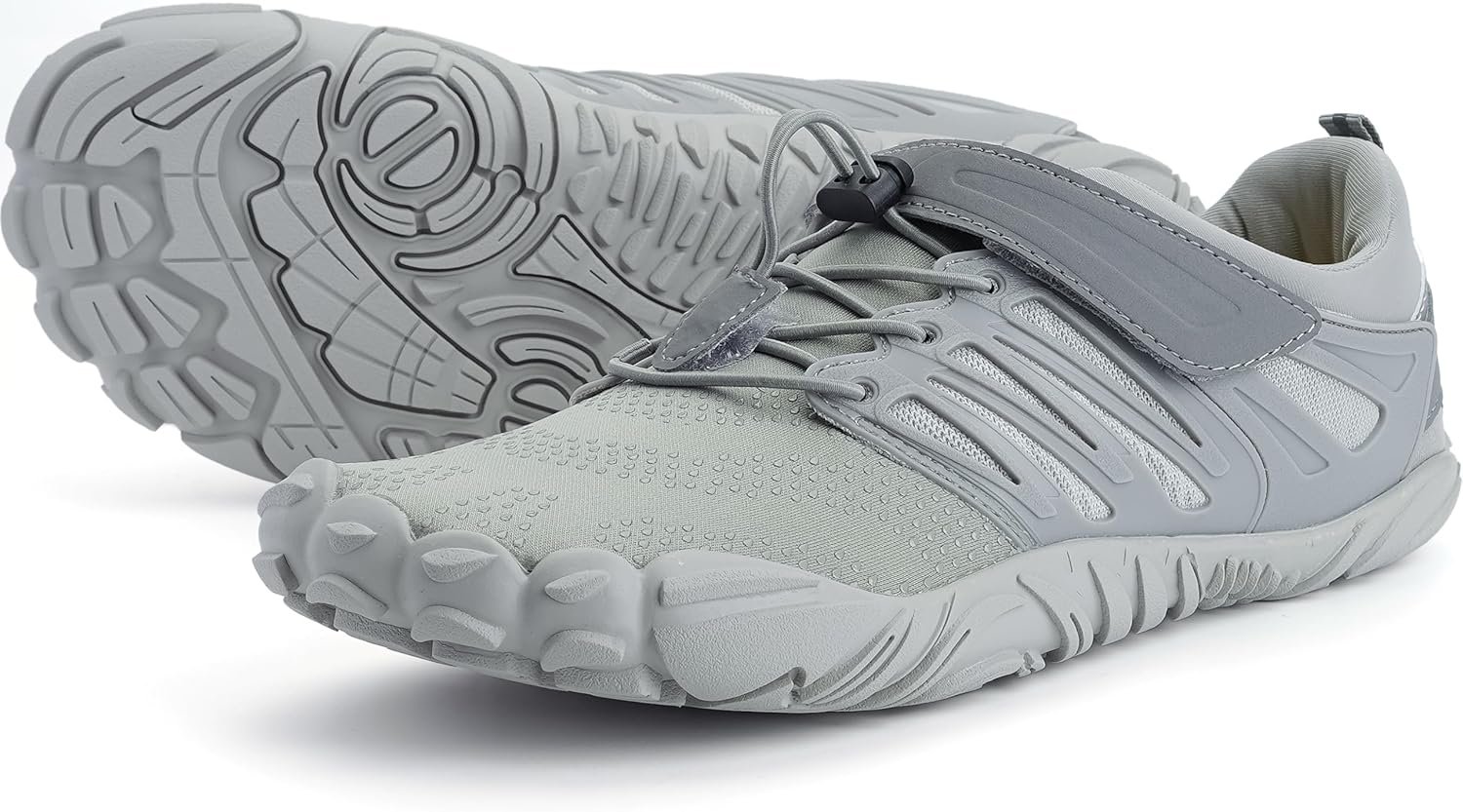
Road Runner Minimalist
Ultra-lightweight zero drop running shoe engineered for road and pavement running. Combines minimal cushioning with maximum ground connection for runners seeking natural biomechanics and enhanced proprioception during training.
Key Features:
- Pure zero drop platform
- Minimal stack height
- Flexible sole technology
- Seamless upper design
- Enhanced ground feel
- Lightweight mesh construction
- Natural foot shape
- Responsive cushioning

Cross Training Zero Drop
Versatile minimalist shoe perfect for cross-training, gym workouts, and casual running. Delivers zero drop benefits with added lateral stability for multi-directional movement while maintaining the natural foot positioning minimalist runners prefer.
Key Features:
- Zero drop heel design
- Multi-directional traction
- Stable platform
- Breathable construction
- Flexible movement
- Durable materials
- Wide toe design
- Lightweight feel
Understanding Zero Drop Design in Minimalist Running
Zero drop running shoes represent a fundamental shift from traditional athletic footwear design. The term “zero drop” refers to the equal height between the heel and forefoot, creating a completely flat platform that mimics barefoot positioning.
Traditional running shoes typically feature a 10-12mm heel-to-toe drop, elevating the heel significantly above the forefoot. This design can alter natural biomechanics and encourage heel striking. Whitin zero drop shoes eliminate this artificial elevation, allowing runners to maintain their natural foot positioning throughout their stride.
The minimalist approach extends beyond just the zero drop platform. These shoes feature minimal cushioning, flexible soles, and wide toe boxes that allow natural foot spreading. This combination creates an experience closer to barefoot running while still providing essential protection from ground hazards.
Benefits of Zero Drop Platform
Zero drop design encourages midfoot and forefoot striking rather than heel striking. This natural landing pattern can reduce impact forces transmitted through the skeletal system. Many runners report decreased joint stress and improved running efficiency when transitioning to whitin zero drop shoes.
The flat platform also enhances proprioception – your body’s ability to sense foot position and ground contact. This improved sensory feedback can lead to better balance, stability, and running form adjustments in real-time during your runs.
Transitioning to Whitin Zero Drop Shoes Safely
Transitioning to zero drop minimalist footwear requires patience and gradual adaptation. Your feet, calves, and achilles tendons need time to adjust to the new biomechanics and increased workload that comes with minimal cushioning.
Start with short runs of 10-15 minutes in your whitin zero drop shoes, alternating with your regular training shoes. Increase the duration by 5-10 minutes each week, allowing your body to adapt naturally. This gradual approach prevents overuse injuries that can occur when making sudden changes to running mechanics.
Pay attention to your calf muscles and achilles tendons during the transition period. These areas typically experience increased stress as they adapt to the new foot strike pattern and lack of heel elevation. Incorporate calf stretches, eccentric strengthening exercises, and adequate rest between runs.
Common Transition Timeline
Week 1-2: 10-15 minute runs, 3 times per week maximum in whitin zero drop shoes. Focus on easy pace and proper form rather than distance or speed.
Week 3-4: Increase to 20-25 minutes, maintaining the same frequency. Begin incorporating some faster-paced segments if comfort allows.
Week 5-8: Gradually build to 30-45 minutes depending on your normal run duration. Most runners can handle longer distances by this point.
Month 2-3: Full transition possible for most runners, though some may need additional time. Listen to your body and adjust accordingly.
Key Features to Look for in Zero Drop Running Shoes
When selecting minimalist running shoes, several critical features distinguish quality options from basic alternatives. The sole flexibility ranks among the most important characteristics – you should be able to bend the shoe easily in multiple directions.
Stack height refers to the amount of material between your foot and the ground. True minimalist whitin zero drop shoes typically feature 3-8mm stack height, providing basic protection while maintaining ground feel. Higher stack heights can diminish the minimalist experience and proprioceptive benefits.
Toe box width allows your toes to spread naturally during foot strike and push-off phases. Cramped toe boxes can cause discomfort and prevent natural foot function. Quality zero drop shoes provide ample room for toe splay without excess length.
Material and Construction Quality
Upper materials should balance breathability with durability. Mesh construction offers excellent ventilation for longer runs, while synthetic overlays provide structure and longevity. Look for seamless or minimal seam construction to prevent hot spots and blisters.
Outsole rubber compounds vary significantly between brands and models. Softer compounds provide better ground feel and flexibility but may wear faster on abrasive surfaces. Harder compounds last longer but can feel less responsive underfoot.
The overall weight of whitin zero drop shoes should feel noticeably lighter than traditional running shoes. This reduced weight allows for more natural foot movement and can improve running efficiency over longer distances.
Performance Benefits of Minimalist Zero Drop Design
Research suggests several performance advantages associated with zero drop minimalist running. Improved running economy often results from the lighter weight and more efficient biomechanics encouraged by these designs.
Cadence typically increases when runners adapt to whitin zero drop shoes. Higher cadence – around 180 steps per minute – generally correlates with reduced impact forces and improved efficiency. The minimal cushioning naturally encourages quicker ground contact times.
Strength development occurs throughout the foot and lower leg muscles when using minimalist footwear regularly. Small intrinsic foot muscles, often weakened by traditional cushioned shoes, regain function and strength. This enhanced foot strength can improve overall stability and reduce injury risk.
Biomechanical Improvements
Ground contact patterns often improve with consistent use of zero drop shoes. Many runners naturally develop a midfoot or forefoot strike, which can reduce braking forces and improve forward momentum transfer.
Postural alignment benefits from the neutral positioning encouraged by whitin zero drop shoes. Without heel elevation, the body maintains a more natural alignment from foot through spine. This improved posture can reduce compensatory movements and associated stress patterns.
Proprioception enhancement allows for better terrain adaptation and balance. The increased sensory feedback helps runners adjust to uneven surfaces more effectively, particularly beneficial for those who enjoy trail running or varied terrain training.
Choosing the Right Zero Drop Shoes for Your Running Style
Different running styles and preferences require specific considerations when selecting minimalist footwear. Road runners typically benefit from smoother outsoles and lighter construction, while trail enthusiasts need more aggressive tread patterns and durable materials.
Training volume influences the appropriate level of minimalism. High-mileage runners might prefer slightly more cushioning within the zero drop platform, while occasional runners can often handle more extreme minimalist designs. Consider your weekly mileage when selecting whitin zero drop shoes.
Foot shape variations affect fit and comfort significantly in minimalist footwear. Runners with wider feet should prioritize brands offering generous toe boxes, while those with narrow feet might need more structured uppers for proper fit and security.
Terrain Considerations
Urban running environments with consistent pavement surfaces allow for minimal outsole thickness and smoother tread patterns. These conditions are ideal for the thinnest, most flexible whitin zero drop shoes available.
Mixed terrain running requires more versatile outsole designs with moderate tread depth. Look for patterns that provide traction on various surfaces without excessive weight or bulk.
Technical trail running demands the most robust construction while maintaining zero drop benefits. Deeper lugs, rock plates, and reinforced uppers become necessary for protection without sacrificing the minimalist philosophy.
Weather conditions in your area should influence material selection. Mesh uppers excel in warm, dry climates but may be inadequate for wet or cold conditions where water resistance becomes important.
Maintenance and Care for Zero Drop Running Shoes
Proper maintenance extends the lifespan of minimalist running shoes and maintains their performance characteristics. The lightweight construction and minimal materials require different care approaches compared to traditional athletic footwear.
Cleaning should occur regularly, especially after trail runs or wet conditions. Remove loose dirt and debris immediately to prevent material degradation. Use mild soap and water for deeper cleaning, avoiding harsh chemicals that can damage lightweight materials.
Drying techniques become crucial for preserving shoe integrity. Remove insoles and laces to allow complete air circulation. Stuff shoes with newspaper to maintain shape and absorb moisture. Avoid direct heat sources that can damage adhesives and synthetic materials.
Rotation and Replacement
Shoe rotation helps extend the life of whitin zero drop shoes while allowing proper recovery time between uses. Having multiple pairs allows each to fully dry and decompress between runs, maintaining their structural integrity longer.
Replacement timing differs from traditional shoes due to the minimal construction. Watch for outsole wear patterns, upper material breakdown, or loss of structural integrity. Many minimalist shoes show wear sooner but cost less to replace than heavily cushioned alternatives.
Mileage tracking helps determine replacement schedules. Most quality zero drop shoes last 300-500 miles depending on running style, body weight, and terrain. Keep records to identify patterns and optimize replacement timing.
Storage in cool, dry locations prevents premature material breakdown. Avoid leaving shoes in hot cars or damp areas where mold and material degradation can occur. Proper storage maintains the performance benefits that make quality running footwear worthwhile investments.
Frequently Asked Questions
Embracing Natural Running with Zero Drop Technology
Zero drop minimalist running shoes represent more than just a footwear trend – they offer a return to natural biomechanics that can transform your running experience. The journey to whitin zero drop shoes requires patience and commitment, but the potential benefits in terms of improved form, reduced impact stress, and enhanced proprioception make the transition worthwhile for many runners.
Success with minimalist footwear depends largely on respecting the adaptation process and listening to your body’s feedback. Start slowly, progress gradually, and allow adequate time for muscular and skeletal adaptations to occur naturally. The investment in proper transition technique pays dividends in long-term comfort and performance.
Whether you’re seeking to address chronic running injuries, improve your natural running form, or simply explore a more connected relationship with the ground beneath your feet, whitin zero drop shoes provide an accessible entry point into minimalist running. The combination of zero drop platform, lightweight construction, and natural foot shape accommodation creates an ideal environment for developing efficient running biomechanics.
Consider your individual goals, current running habits, and commitment level when deciding if zero drop minimalist shoes align with your athletic journey. With proper preparation and realistic expectations, these innovative designs can unlock new levels of running efficiency and enjoyment while promoting healthier movement patterns for years to come.