
Men’s Zero Drop Running Shoes: Natural Running Revolution

WHITIN Men’s Minimalist Zero Drop Trail Runner
Experience natural running with this lightweight trail-ready shoe featuring zero heel-to-toe drop, wide toe box, and flexible sole construction for maximum ground feel and comfort.
Key Features:
- Zero heel-to-toe drop design
- Wide anatomical toe box
- Flexible rubber outsole
- Breathable mesh upper
- Lightweight construction under 8oz
- Removable insole option
- Non-marking rubber compound
- Machine washable materials

WHITIN Men’s Cross-Training Zero Drop Shoe
Versatile zero drop shoe perfect for gym workouts, cross-training, and casual wear. Features minimalist design principles with enhanced durability for multi-purpose athletic activities.
Key Features:
- Zero drop platform
- Multi-directional tread pattern
- Reinforced heel and toe areas
- Moisture-wicking interior
- Slip-resistant outsole
- Quick-dry synthetic upper
- Heel pull tab
- Flat sole design for stability
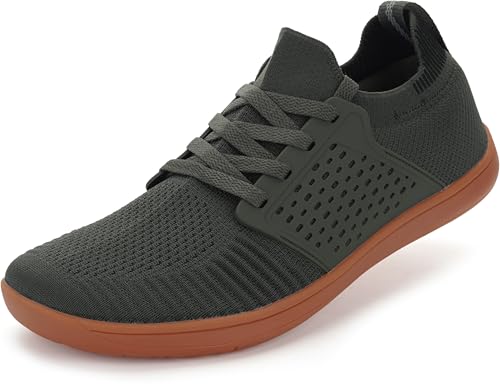
WHITIN Men’s Barefoot Road Running Shoe
Road-focused zero drop running shoe designed for pavement and urban environments. Combines minimalist philosophy with practical features for daily training and recreational running.
Key Features:
- True zero drop construction
- Ultra-thin 6mm sole
- Seamless interior design
- Reflective accent details
- Puncture-resistant bottom layer
- Elastic lacing system
- Collapsible heel design
- Vegan-friendly materials
Understanding Zero Drop Technology in Men’s Running Shoes
Zero drop running shoes represent a fundamental shift in footwear design, eliminating the traditional heel elevation found in conventional athletic shoes. The whitin men’s zero drop running shoes maintain equal height from heel to toe, promoting a more natural foot strike pattern during running and walking activities.
This innovative design encourages midfoot or forefoot landing rather than heel striking, which can reduce impact forces transmitted through the legs. Traditional running shoes typically feature 8-12mm of heel elevation, while zero drop designs maintain a completely flat platform throughout the shoe.
Benefits of Zero Drop Design
The primary advantage of whitin men’s zero drop running shoes lies in their ability to promote natural biomechanics. When runners eliminate artificial heel elevation, the Achilles tendon and calf muscles engage more effectively, potentially improving overall running efficiency and reducing certain types of injuries.
Research suggests that zero drop footwear can help strengthen intrinsic foot muscles over time. The increased ground feedback allows runners to develop better proprioception and balance, leading to improved running form and stability during various athletic activities.
Transitioning to Zero Drop Footwear
Adopting whitin men’s zero drop running shoes requires a gradual transition period for most runners. The lower profile and reduced cushioning demand stronger foot and calf muscles, making a progressive approach essential for injury prevention and comfort.
Begin by wearing zero drop shoes for short periods during easy activities before progressing to longer runs. Most athletes require 4-8 weeks to fully adapt to the biomechanical changes associated with zero drop running shoes.
Key Features of Quality Men’s Zero Drop Running Shoes
Premium whitin men’s zero drop running shoes incorporate several essential design elements that distinguish them from conventional athletic footwear. The wide toe box represents one of the most critical features, allowing natural toe splay and preventing compression during movement.
Flexible sole construction enables natural foot flexion while maintaining adequate protection from ground hazards. The materials used in quality zero drop shoes prioritize lightweight properties without sacrificing durability, typically weighing 30-40% less than traditional running shoes.
Sole Design and Ground Feel
The outsole thickness in whitin men’s zero drop running shoes varies between 3-8mm depending on intended use and terrain requirements. Trail versions feature slightly thicker soles for rock protection, while road models prioritize maximum ground sensation and flexibility.
Tread patterns focus on providing adequate traction without adding unnecessary weight or bulk. Many zero drop designs feature multi-directional lugs that perform well across various surfaces, from pavement to light trail conditions.
Upper Construction and Breathability
Breathable upper materials prevent moisture buildup during extended wear, particularly important since whitin men’s zero drop running shoes often feature minimal internal padding. Mesh panels and synthetic overlays balance ventilation with structural support where needed.
Seamless interior construction reduces hot spots and blisters, especially crucial during the adaptation period when feet may be more sensitive to pressure points and friction areas.
Choosing the Right Zero Drop Running Shoes for Your Needs
Selecting appropriate whitin men’s zero drop running shoes depends on individual foot shape, running style, and intended activities. Foot width measurements become particularly important since zero drop designs typically offer more generous toe box dimensions than conventional shoes.
Gait analysis can provide valuable insights into whether zero drop footwear aligns with your natural running mechanics. Runners who already demonstrate midfoot or forefoot striking patterns often adapt more quickly to whitin men’s zero drop running shoes than heel strikers.
Terrain-Specific Considerations
Road runners benefit from lightweight models with smooth outsoles optimized for pavement contact and urban environments. The reduced cushioning in these designs provides direct feedback from surface variations while maintaining protection from debris and rough textures.
Trail enthusiasts require additional features like enhanced toe protection and more aggressive tread patterns. These whitin men’s zero drop running shoes balance minimalist principles with practical elements necessary for off-road adventures and technical terrain navigation.
Sizing and Fit Guidelines
Proper sizing becomes critical with zero drop footwear since the wider toe box and different heel geometry can affect overall fit compared to traditional athletic shoes. Many runners discover they need different sizes when switching to minimalist designs.
Toe space should allow for natural movement without excess length that could cause sliding or instability. The midfoot should feel secure without tightness, while the heel area maintains contact without pressure points or gaps that might cause friction during movement.
Consider that some individuals who wear men’s shoes in larger sizes may find zero drop options run differently than their usual athletic footwear measurements.
Training and Performance with Zero Drop Running Shoes
Effective training protocols using whitin men’s zero drop running shoes require modified approaches compared to conventional footwear routines. The increased muscle engagement demands careful attention to recovery periods and progressive volume increases to prevent overuse injuries.
Strength training becomes particularly valuable when transitioning to zero drop designs. Focus on calf raises, foot intrinsic muscle exercises, and Achilles tendon mobility work to support the biomechanical changes associated with minimalist running.
Adapting Your Running Form
Whitin men’s zero drop running shoes naturally encourage shorter stride lengths and higher cadence rates. This adjustment typically occurs gradually as runners develop comfort with the increased ground feedback and reduced heel cushioning.
Midfoot striking becomes more intuitive with zero drop platforms, potentially reducing impact forces and improving running economy. However, forcing dramatic form changes can lead to injury, so allow natural adaptations to occur over several weeks of consistent use.
Performance Benefits and Limitations
Many athletes report improved balance and proprioception when using whitin men’s zero drop running shoes regularly. The enhanced ground connection can translate to better performance in activities requiring quick direction changes or unstable surface navigation.
Distance running performance may initially decline during the transition period as muscles adapt to new movement patterns. Long-term benefits often include reduced dependency on external cushioning and improved natural shock absorption through strengthened lower leg muscles.
Some runners discover that alternating between zero drop and traditional running shoes provides optimal training variety while maintaining the benefits of both footwear styles.
Maintenance and Care for Zero Drop Running Shoes
Proper maintenance extends the lifespan of whitin men’s zero drop running shoes while preserving their performance characteristics. The minimal construction typical of these designs often makes them easier to clean and maintain compared to heavily cushioned alternatives.
Regular cleaning prevents odor buildup and material degradation, particularly important since many zero drop shoes feature breathable materials that can accumulate moisture and debris. Hand washing with mild soap typically provides the best results without damaging delicate components.
Cleaning and Storage Guidelines
Remove insoles and laces before cleaning whitin men’s zero drop running shoes to ensure thorough dirt and moisture removal. Air drying in well-ventilated areas prevents material breakdown that can occur with high heat exposure from dryers or direct sunlight.
Rotation between multiple pairs allows adequate drying time between uses, preventing bacterial growth and extending overall shoe life. This practice becomes especially valuable for athletes who train frequently or in wet conditions.
Replacement Indicators
Outsole wear patterns provide the most reliable indication for replacing whitin men’s zero drop running shoes. Uneven wear or significant tread loss compromises traction and ground feedback, reducing the effectiveness of the minimalist design.
Upper material integrity should be monitored for tears or separation, particularly around high-stress areas like the toe box and heel counter. Since these shoes rely on precise fit for optimal performance, structural damage can affect comfort and biomechanical benefits.
Most quality zero drop running shoes provide 300-500 miles of use depending on running surface, body weight, and individual gait patterns. Tracking mileage helps predict replacement timing before performance degradation affects training quality.
Frequently Asked Questions
Embracing Natural Running with Zero Drop Technology
Whitin men’s zero drop running shoes represent a significant advancement in athletic footwear design, offering runners the opportunity to reconnect with natural movement patterns and biomechanics. The elimination of heel elevation creates a foundation for improved balance, stronger foot muscles, and potentially more efficient running form over time.
The transition to zero drop footwear requires patience and gradual adaptation, but the long-term benefits often justify the initial adjustment period. Improved proprioception, reduced dependency on external cushioning, and enhanced ground feedback contribute to a more intuitive running experience that many athletes find rewarding and performance-enhancing.
Success with whitin men’s zero drop running shoes depends largely on proper selection, gradual transition protocols, and realistic expectations during the adaptation process. Consider your individual running goals, current fitness level, and willingness to modify training routines when evaluating whether zero drop technology aligns with your athletic pursuits.
As the minimalist running movement continues to evolve, zero drop designs will likely remain an important option for runners seeking alternatives to traditional athletic footwear. Whether used exclusively or as part of a rotation strategy, these innovative shoes offer valuable insights into natural human movement and the potential for improved athletic performance through simplified design principles.