
Whitin Barefoot Shoes vs Xero Shoes: Which Minimalist Brand Fits Better?
Choosing between Whitin and Xero barefoot shoes means weighing different priorities: budget-conscious versatility versus premium materials and established reputation. Both brands deliver zero-drop soles and wide toe boxes, but their construction methods, sizing philosophies, and target audiences diverge in ways that matter for long-term comfort.
This barefoot shoes comparison walks through the differences that actually affect daily wear—fit consistency, sole flexibility, upper materials, and how each brand approaches minimalist design. We’ll cover what sets these two apart so you can match your foot shape and use case to the right option.

Fit Philosophy: How Each Brand Approaches Toe Box and Sizing
Xero shoes typically run narrower through the midfoot despite their advertised wide toe box, a trade-off that works well for runners with average-width feet who want a snugger heel lock. Whitin takes a different approach, building a genuinely spacious forefoot from edge to edge—our women’s wide minimalist barefoot shoes exemplify this with a toe box that accommodates natural splay without pinching.
Sizing Consistency
Whitin models tend to run true to US sizing across the lineup, while Xero’s fit varies noticeably between their trail runners and casual shoes. If you wear a men’s size 10 in Whitin, that same size usually translates directly across hiking styles and gym shoes. Xero buyers often report needing to size up a half-size in some models and down in others, particularly when moving between their Prio and Z-Trail lines.
Sole Construction and Ground Feel Differences
Xero uses a denser rubber compound in most of their soles, prioritizing abrasion resistance for trail running and urban scrambling. This yields a firmer ground feel that some runners prefer for technical terrain. Whitin opts for a softer, more flexible rubber that bends easier underfoot, which translates to better proprioception on flat surfaces but wears slightly faster on gravel.
Both brands deliver true zero-drop geometry, but the stack height differs subtly. Xero’s FeelTrue sole typically measures 5.5mm thick, while Whitin often sits closer to 4-6mm depending on the model. That 1-2mm difference becomes noticeable after a few miles—Xero feels more protective on sharp rocks, Whitin gives you more direct feedback from the ground.
Tread Pattern and Traction
Xero’s lug patterns are deeper and more aggressive, designed for loose dirt and wet roots. Whitin’s tread is shallower, which works fine for pavement and light trails but struggles in mud. For mixed-surface use, the Whitin minimalist trail running shoes strike a middle ground with moderate lugs that handle both packed dirt and sidewalks.
Upper Materials: Breathability vs Durability Trade-Offs
Xero leans heavily on synthetic mesh and TPU overlays, creating uppers that hold their shape through hundreds of miles but trap heat during summer runs. Whitin uses thinner knit fabrics and perforated panels—especially visible in the ultra-ventilated barefoot shoes range—that prioritize airflow over long-term structure. Your feet stay cooler in Whitin, but the upper may show pilling or stretching sooner than Xero’s reinforced mesh.
Neither brand offers waterproof models in their core barefoot lines, but Xero’s tighter weave sheds light rain better. Whitin’s open-knit construction dries faster after getting soaked, a worthwhile trade if you cross streams or run in humid climates where moisture management matters more than keeping water out initially.

Price Point and Value Positioning
Whitin consistently undercuts Xero by $30-50 per pair across comparable categories. A typical Whitin road runner costs $40-55, while Xero’s equivalent Prio model sits at $90-100. That gap narrows slightly for technical trail shoes, but Whitin still holds a clear budget advantage.
Xero justifies the premium with longer warranty coverage (5,000-mile sole guarantee on some models) and more granular customer service options, including a detailed fit quiz and free return shipping. Whitin offers standard 30-day returns but doesn’t extend specific mileage warranties. For runners testing barefoot shoes for the first time, Whitin’s lower entry cost reduces the financial risk of discovering minimalist footwear isn’t a good match for your gait.
Long-Term Cost Per Mile
Xero’s durability advantage means their higher upfront cost can balance out over 12-18 months of regular use. Whitin shoes typically need replacement sooner, but even buying two pairs in the timespan of one Xero still leaves you spending less overall. The Whitin men’s minimalist barefoot shoes collection demonstrates this value approach across multiple styles without sacrificing the core zero-drop geometry.
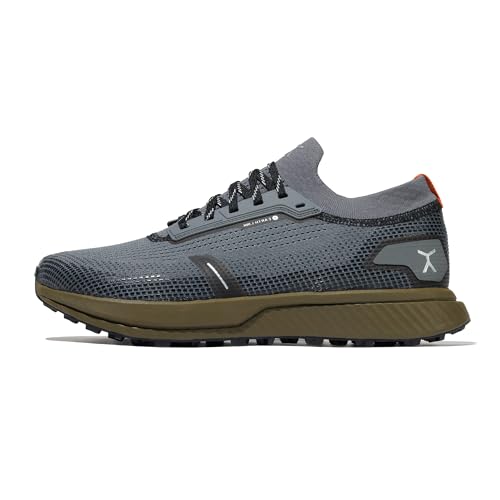
Which Brand Matches Your Transition Timeline
First-time barefoot shoe wearers often fare better with Whitin’s softer sole flex, which feels less jarring during the initial weeks when your arches and calves adapt to zero-drop mechanics. Xero’s stiffer construction demands more immediate strength from underused foot muscles, leading to soreness if you jump straight into long runs.
Experienced minimalist runners who’ve already completed their transition period may prefer Xero’s firmer feedback and precise fit, especially for speed work or technical descents. Whitin remains the smarter choice for casual walkers and gym-goers who want barefoot benefits without committing to an aggressive break-in period or spending over $80.
Matching Your Priorities to the Right Minimalist Brand
Whitin and Xero both deliver legitimate barefoot geometry—zero drop, wide toe boxes, and thin flexible soles—but they serve different points on the minimalist spectrum. Whitin wins on price, breathability, and initial comfort for barefoot beginners or casual wearers who prioritize value. Xero justifies its premium with tougher materials, more consistent sizing across models, and better longevity for serious runners logging high weekly mileage.
Your choice comes down to whether you’re testing minimalist footwear for the first time or committing to it as your primary shoe category. Budget-conscious buyers and transition-phase runners get more from Whitin’s approachable pricing and forgiving flex. Experienced barefoot athletes who’ve already adapted their gait will appreciate Xero’s precise fit and trail-ready durability.
Common Questions When Choosing Between Whitin and Xero
Not quite. Whitin typically runs true to standard US sizing, so your usual sneaker size translates directly. Xero shoes often run slightly narrow through the midfoot despite their wide toe box, and some models require sizing up a half-size.
Both brands recommend measuring your foot length in centimeters and comparing it to their size charts rather than relying on your Nike or Adidas size, since barefoot shoes prioritize toe splay over the snug fit conventional brands use.
Xero shoes generally outlast Whitin by several months under identical use conditions, thanks to denser rubber compounds and reinforced upper stitching. Expect 8-12 months from Whitin with regular daily use versus 12-18 months from Xero.
Whitin’s lower price point partially offsets this difference—buying two pairs of Whitin over the lifespan of one Xero still costs less total, though you’ll go through the replacement process sooner.
Yes, but start with very short distances regardless of brand. Whitin’s softer sole flex makes the initial transition slightly gentler on your calves and Achilles, while Xero’s firmer construction forces faster adaptation.
Plan on 3-4 weeks of walking-only use before attempting even a one-mile jog in either brand. The zero-drop geometry and thin sole engage muscles conventional running shoes have kept dormant, and pushing too fast leads to strain injuries no matter which barefoot shoes comparison you choose.
Both accommodate wide feet well, but Whitin’s toe box is genuinely wider from edge to edge across their entire range. Xero’s width concentrates in the forefoot while keeping the midfoot narrower, which some high-arched runners find more supportive.
Neither brand includes arch support by design—barefoot shoes rely on your foot’s natural arch mechanics. If you currently use orthotics for high arches, expect a lengthy adaptation period or consider keeping conventional shoes for long-distance days while your arch strength builds.
Both brands ship with minimal removable insoles, and aftermarket companies like Pedestal and Fulton make thin replacement footbeds that maintain barefoot geometry. Xero sells proprietary replacement insoles on their site, while Whitin users typically turn to third-party options.
Most barefoot enthusiasts eventually remove the insoles entirely for maximum ground feel. The original footbeds mainly exist to ease the transition for new users rather than provide long-term cushioning.
Whitin’s flexibility advantage shines during lateral movements, box jumps, and agility drills where your foot needs to bend and twist naturally. Xero’s firmer sole provides more stability for heavy deadlifts and squats, though some lifters prefer going completely barefoot for those lifts anyway.
Both brands’ wide toe boxes allow proper weight distribution during compound movements. If your gym sessions mix cardio with lifting, Whitin’s breathability keeps your feet cooler during circuit training, while Xero’s durability holds up better to rope climbs and burpees.