
Whitin Toddler Barefoot Shoes: Complete Guide to Natural Foot Development
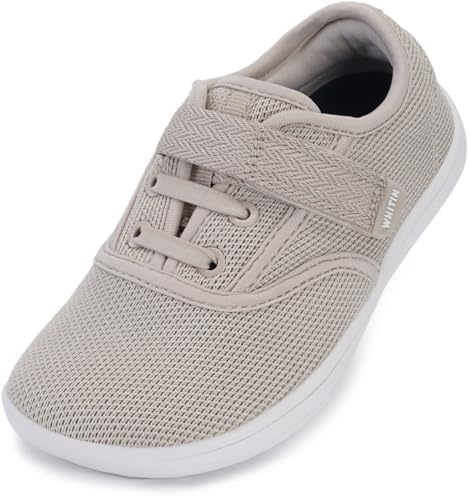
Whitin Toddler Trail Runner
Lightweight trail-inspired barefoot shoe designed for active toddlers. Features flexible sole construction and breathable materials for all-day comfort during outdoor adventures and everyday play activities.
Key Features:
- Zero-drop sole design
- Flexible rubber outsole
- Breathable mesh upper
- Wide toe box
- Easy slip-on design
- Machine washable
- Non-marking sole
- Lightweight construction

Whitin Toddler Canvas Sneaker
Classic canvas barefoot sneaker perfect for everyday wear. Combines timeless style with barefoot benefits, featuring natural materials and minimalist construction for growing feet and developing balance skills.
Key Features:
- Organic canvas upper
- Thin flexible sole
- Wide toe box design
- Velcro closure system
- Breathable cotton lining
- Zero heel elevation
- Durable construction
- Easy care materials

Whitin Toddler Water Shoe
Quick-dry barefoot water shoe for beach, pool, and wet play activities. Features drainage system and grippy sole for safety around water while maintaining barefoot benefits for natural movement.
Key Features:
- Quick-dry materials
- Drainage ports
- Non-slip sole pattern
- Flexible construction
- Easy on/off design
- Chlorine resistant
- Wide toe box
- Lightweight design
Understanding Whitin Toddler Barefoot Shoes Benefits
Whitin toddler barefoot shoes represent a revolutionary approach to early childhood footwear that prioritizes natural foot development over traditional shoe design. These specialized shoes mimic the benefits of going barefoot while providing essential protection for little feet during outdoor adventures and daily activities.
The primary advantage of whitin toddler barefoot shoes lies in their ability to promote proper foot mechanics and balance development. Unlike conventional toddler shoes with thick soles and elevated heels, these minimalist designs allow children to feel the ground beneath their feet, enhancing proprioception and spatial awareness.
Research consistently shows that barefoot or minimalist footwear during early childhood supports stronger foot muscles, better balance, and more natural gait patterns. Whitin toddler barefoot shoes deliver these benefits while offering protection from rough surfaces, temperature extremes, and potential hazards that parents naturally worry about.
Natural Foot Development
Toddlers’ feet contain primarily cartilage that gradually ossifies into bone throughout childhood. Whitin toddler barefoot shoes support this crucial development process by allowing natural foot movement and muscle engagement that traditional shoes often restrict.
The wide toe box design characteristic of these shoes prevents the cramping and compression that can lead to foot deformities later in life. This spacious design accommodates natural toe spreading, which is essential for proper balance and stability during the critical walking development phase.
Key Features of Quality Toddler Barefoot Shoes
When evaluating whitin toddler barefoot shoes, several critical features distinguish high-quality options from conventional footwear. The zero-drop sole design represents perhaps the most important characteristic, ensuring that the heel and toe sit at the same level to promote natural posture and gait development.
Flexibility stands as another cornerstone feature of effective barefoot shoes for toddlers. Quality whitin toddler barefoot shoes bend and twist easily, allowing the foot to move naturally through its full range of motion during walking, running, and play activities.
The minimal sole thickness typically measures between 4-6mm, providing just enough protection from sharp objects and rough surfaces while maintaining ground feel and sensory feedback. This thin construction prevents the sensory deprivation that thick-soled shoes create.
Wide Toe Box Design
The generous toe box width in whitin toddler barefoot shoes allows toes to spread naturally, supporting proper weight distribution and balance. This design prevents the toe cramping that narrow shoes create and supports healthy foot development during crucial growth periods.
Breathable Materials
Quality materials ensure comfort during extended wear while preventing moisture buildup that can lead to skin irritation. Many whitin toddler barefoot shoes feature mesh panels, organic cotton linings, and other breathable components that support foot health and comfort throughout active days.
Choosing the Right Size and Fit
Proper sizing represents a critical factor in maximizing the benefits of whitin toddler barefoot shoes. Unlike traditional shoes where snug fits are often preferred, barefoot shoes require additional space to accommodate natural foot movement and toe spreading.
The general recommendation suggests allowing approximately 12-15mm of space between the longest toe and the shoe’s front edge. This extra room prevents cramping during natural toe extension that occurs with each step and supports healthy circulation throughout active play.
Measuring toddler feet accurately requires attention to both length and width, as barefoot shoes accommodate wider feet than conventional designs. The best practice involves tracing the foot on paper and comparing measurements to manufacturer sizing charts rather than relying solely on age-based recommendations.
Growth Considerations
Toddler feet grow rapidly, often requiring new shoes every 3-4 months during peak development periods. When selecting whitin toddler barefoot shoes, consider this growth rate while avoiding shoes that are excessively large, as too much space can create tripping hazards and reduce the proprioceptive benefits.
Regular fit checks ensure continued proper sizing as feet develop. Signs that shoes have become too small include red marks on feet after wear, reluctance to wear the shoes, or visible toe cramping within the shoe structure.
Transitioning from Traditional Shoes to Barefoot
The transition to whitin toddler barefoot shoes requires a gradual approach, especially for children accustomed to traditional footwear with thicker soles and heel elevation. Starting with short wearing periods allows feet and leg muscles to adapt to the different mechanics of barefoot-style walking.
Begin by introducing whitin toddler barefoot shoes during indoor play sessions or short outdoor activities. Gradually increase wearing time as the child becomes comfortable with the different ground feel and improved proprioceptive feedback these shoes provide.
Some children adapt immediately to barefoot shoes, while others may need several weeks to fully adjust. Watch for signs of fatigue or discomfort, which are normal during the transition period as underused foot muscles strengthen and develop.
Building Foot Strength
The transition period offers an excellent opportunity to incorporate foot-strengthening activities that complement the benefits of whitin toddler barefoot shoes. Simple exercises like toe spreading, picking up objects with toes, and balance games support the development that barefoot shoes promote.
Encouraging barefoot time at home accelerates the adaptation process and maximizes the developmental benefits. The combination of actual barefoot play and quality kids shoes designed with barefoot principles creates optimal conditions for healthy foot development.
Common Adjustment Experiences
During the initial transition to whitin toddler barefoot shoes, some children may experience mild leg fatigue as previously underused muscles adapt to new movement patterns. This temporary adjustment period typically resolves within 1-2 weeks of consistent wear.
Parents often notice improved balance and more confident movement as children adapt to the enhanced ground feel and proprioceptive feedback that quality barefoot shoes provide.
Seasonal Considerations and Activity-Specific Uses
Different seasons and activities require specific considerations when selecting whitin toddler barefoot shoes. Summer activities often benefit from breathable designs with quick-dry capabilities, especially for water play and beach adventures where traditional shoes become waterlogged and uncomfortable.
Winter considerations include insulation and weather protection while maintaining the barefoot benefits that support healthy development. Some families choose to layer thin, non-restrictive socks with their whitin toddler barefoot shoes during colder months to provide additional warmth without compromising the shoes’ flexibility.
Indoor use of barefoot shoes can protect feet in public spaces while maintaining the developmental benefits of barefoot movement. Many childcare facilities and play centers require closed-toe shoes, making quality barefoot designs an ideal compromise between safety requirements and healthy development.
Activity-Specific Features
Playground activities benefit from whitin toddler barefoot shoes with slightly more robust sole protection while maintaining flexibility for climbing and running. The enhanced ground feel helps children navigate playground equipment more confidently and safely.
Water activities require specialized features like drainage ports and quick-dry materials that prevent waterlogging while maintaining the barefoot benefits. These designs allow natural foot movement in wet conditions while providing necessary protection from hot surfaces and sharp objects.
Durability Expectations
Quality whitin toddler barefoot shoes balance durability with the flexibility essential for proper function. While the thin, flexible soles may show wear patterns more quickly than thick traditional soles, this wear indicates proper flexibility and natural foot movement rather than poor construction quality.
Frequently Asked Questions
Making the Right Choice for Your Toddler’s Development
Selecting whitin toddler barefoot shoes represents an investment in your child’s long-term foot health and overall physical development. These specialized shoes support the natural processes that occur during crucial developmental stages while providing necessary protection for active exploration and play.
The transition to barefoot-style footwear offers benefits that extend far beyond foot health, including improved balance, better proprioception, and more confident movement patterns that serve children throughout their lives. Quality whitin toddler barefoot shoes make these benefits accessible while addressing parents’ practical concerns about protection and durability.
Remember that the best barefoot shoes for your toddler are those that fit properly, meet your family’s activity needs, and align with your child’s individual development timeline. Taking time to understand sizing requirements and transition considerations ensures a positive experience that maximizes the developmental benefits these innovative shoes provide.
As your toddler grows and develops, whitin toddler barefoot shoes can play a valuable role in supporting natural foot development while accommodating the active lifestyle that healthy children naturally embrace. The investment in quality barefoot footwear during these crucial early years establishes a foundation for lifelong foot health and confident movement.