
Baby Barefoot Shoes: Complete Guide to Natural Development Footwear

Whitin Infant Barefoot Sneakers
Ultra-soft barefoot sneakers designed specifically for babies taking their first steps. Features flexible soles that move naturally with developing feet and breathable materials for all-day comfort during early walking adventures.
Key Features:
- Zero-drop flexible sole
- Breathable mesh upper
- Easy slip-on design
- Non-slip grip pattern
- Machine washable
- Lightweight construction
- Wide toe box design

Whitin Baby Minimalist Walking Shoes
Premium minimalist shoes crafted for babies learning to walk. Combines barefoot benefits with protective coverage, featuring ultra-thin soles that allow natural foot movement while protecting against rough surfaces and weather.
Key Features:
- 2mm thin sole design
- Elastic ankle support
- Toe protection coverage
- Quick-dry materials
- Adjustable fit system
- Ground-feel technology
- Durable outdoor construction
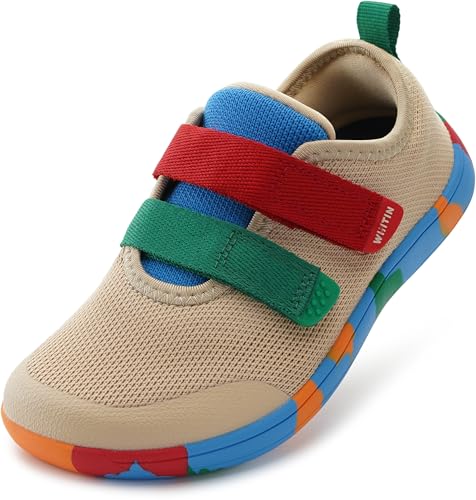
Whitin Toddler Barefoot Booties
Cozy barefoot booties perfect for indoor and light outdoor use. Designed with growing toddlers in mind, these booties provide warmth and protection while maintaining the barefoot experience essential for healthy foot development.
Key Features:
- Soft fleece lining
- Flexible rubber sole
- High-top ankle coverage
- Temperature regulation
- Anti-slip bottom
- Easy on/off design
- Natural foot shape
- Cushioned heel area
Understanding Baby Barefoot Shoes and Natural Development
Baby barefoot shoes represent a revolutionary approach to infant footwear that prioritizes natural foot development over traditional shoe design. Unlike conventional baby shoes with thick soles and rigid structures, whitin baby shoes embrace the barefoot philosophy while providing essential protection.
The concept behind barefoot footwear stems from understanding how babies naturally develop balance, coordination, and strength. When babies walk barefoot, their feet can feel the ground beneath them, sending crucial sensory feedback to their developing brains.
Whitin baby shoes are specifically engineered to maintain this connection while offering protection from sharp objects, cold surfaces, and rough terrain. The ultra-thin soles allow babies to experience natural ground feel while learning to walk.
Benefits for Developing Feet
Baby feet are composed primarily of cartilage that gradually ossifies into bone over several years. During this critical development period, restrictive footwear can interfere with natural bone formation and muscle development.
Barefoot shoes support proper toe spreading, arch development, and natural gait patterns. The wide toe boxes found in quality whitin baby shoes allow toes to move freely and grip surfaces naturally.
Research indicates that babies who spend more time barefoot or in minimalist footwear develop stronger foot muscles and better balance. This foundation supports healthy movement patterns throughout childhood and into adulthood.
Key Features of Quality Whitin Baby Shoes
The most important characteristic of effective baby barefoot shoes is sole flexibility. Parents should be able to easily twist and bend the shoe in multiple directions, mimicking the natural movement of bare feet.
Zero-drop design ensures the heel and forefoot remain at the same level, promoting natural posture and gait development. Traditional baby shoes often feature elevated heels that can interfere with balance and walking mechanics.
Breathability becomes crucial since babies’ feet sweat more than adults relative to their size. Quality whitin baby shoes incorporate mesh panels, natural materials, and ventilation systems to maintain foot health.
Material Considerations
Organic and non-toxic materials protect sensitive baby skin from irritation and chemical exposure. Look for shoes made from organic cotton, natural rubber, or certified safe synthetic materials.
Durability matters because babies are hard on footwear. Quality construction ensures whitin baby shoes withstand crawling, climbing, and frequent washing while maintaining their protective and developmental benefits.
Easy cleaning features make life simpler for busy parents. Machine-washable options or shoes that clean easily with mild soap and water save time and maintain hygiene.
Sizing and Fit Guidelines
Proper sizing for barefoot shoes differs from traditional footwear. Babies need approximately 12mm of space beyond their longest toe to allow for natural movement and growth.
Width becomes more critical than length since developing feet need room to spread naturally. Narrow shoes can restrict proper toe development and cause discomfort during active play.
Regular size checks ensure shoes continue fitting properly as babies grow rapidly. Most babies need new shoes every 2-3 months during their first year of walking.
When to Start Using Baby Barefoot Shoes
Barefoot remains best for babies who are not yet walking independently. Pre-walking infants benefit most from complete foot freedom to develop strength, balance, and coordination naturally.
Once babies begin taking independent steps, whitin baby shoes become valuable for protecting feet during outdoor exploration while maintaining barefoot benefits. This typically occurs between 9-18 months of age.
Indoor environments usually don’t require shoes unless floors are cold or potentially hazardous. Many families choose to keep babies barefoot at home and use minimalist shoes only for outdoor adventures.
Transitioning from Traditional Shoes
Babies who have worn traditional shoes may need time to adjust to barefoot footwear. Start with short periods and gradually increase wearing time as foot muscles strengthen.
Some babies may initially seem less stable in barefoot shoes since they must engage different muscle groups. This temporary adjustment period leads to stronger, more capable feet over time.
Parents should expect an adaptation period where babies rediscover natural movement patterns. This process strengthens intrinsic foot muscles and improves proprioception for better balance and coordination.
Seasonal Considerations
Cold weather requires additional protection while maintaining barefoot principles. Insulated whitin baby shoes with flexible soles provide warmth without sacrificing developmental benefits.
Summer barefoot shoes need enhanced breathability and quick-drying properties for water play and hot weather comfort. Lightweight materials and ventilation become priorities during warm months.
Rainy conditions call for water-resistant options that still allow natural foot movement. Some barefoot shoes feature treated materials or light waterproofing for puddle play and wet surfaces.
Comparing Whitin Baby Shoes to Traditional Options
Traditional baby shoes often prioritize appearance over function, featuring thick soles, rigid construction, and narrow toe boxes that can hinder natural development. These design elements may look appealing but can interfere with proper foot growth.
Barefeet provide the ideal environment for developing babies, but practical considerations make some footwear necessary. Whitin baby shoes bridge this gap by offering protection while preserving barefoot benefits.
Conventional shoes can create dependency on external support rather than developing internal foot strength. Barefoot shoes encourage babies to develop their own balance and stability through natural muscle engagement.
Price and Value Considerations
While quality barefoot shoes may cost more initially, their developmental benefits provide long-term value for growing children. Investing in proper foot development during infancy supports lifelong foot health.
Durability of well-made whitin baby shoes often exceeds that of traditional options, providing better value through extended wear and potential hand-me-down use for siblings.
The ability to machine wash many barefoot shoes reduces maintenance costs compared to leather or specialty material shoes requiring special care products and treatments.
Safety Features
Quality barefoot shoes incorporate safety elements without compromising flexibility. Non-slip sole patterns provide traction while maintaining ground feel for developing balance.
Reflective elements or bright colors enhance visibility during outdoor activities while keeping shoes lightweight and flexible. Some whitin baby shoes feature safety elements integrated into their minimalist design.
Toe protection shields against stubbing while preserving natural toe movement and spreading. This protection becomes especially valuable as babies become more adventurous in their exploration.
Frequently Asked Questions
Choosing the Right Path for Your Baby’s Foot Development
Selecting appropriate footwear for your baby represents one of the most important decisions you’ll make for their physical development. Whitin baby shoes offer an evidence-based approach that prioritizes natural foot development while providing necessary protection for active exploration.
The transition to barefoot footwear philosophy requires understanding that less is often more when it comes to baby shoes. By choosing minimalist options that work with your baby’s natural development rather than against it, you’re investing in their long-term foot health, balance, and coordination.
Remember that every baby develops at their own pace, and the journey to independent walking varies significantly between children. Whether your little one is just beginning to cruise furniture or confidently taking steps, the principles of barefoot shoe design support healthy development at every stage.
As you consider options for your growing baby, focus on flexibility, natural materials, and proper fit rather than appearance or brand recognition. The foundation you build during these crucial early months will support your child’s active lifestyle for years to come, making the investment in quality kids shoes that promote natural development a decision you’ll appreciate long into the future.